Pilkington Textured Glass: The Architectural Glass Comeback of Pattern and Privacy
Posted on 28 July 2025 by Tracy Saunders

In the ever-evolving world of architectural design, where form must meet function, few materials bridge beauty and practicality as elegantly as textured glass. Once a modest fixture in mid-century homes and commercial buildings, it’s now experiencing a modern resurgence — with Pilkington Textured Glass leading the way. Architects, designers, and glaziers alike are rediscovering the charm and versatility of patterned glass in applications ranging from glass showers and sliding doors to office partitions and retail displays.
At the heart of this revival is a renewed appreciation for visual texture, subtle privacy, and light diffusion. In particular, Pilkington’s Warwick pattern has caught the attention of specifiers looking to create bold yet refined spaces with timeless character.
A Textured Legacy: The History of Pilkington Glass
Pilkington, a name synonymous with innovation in glass manufacturing, has a history stretching back to 1826. Based in St Helens, UK, the company revolutionised the industry in the 1950s with the invention of the float glass process, which now underpins most flat glass production worldwide. But long before float glass became standard, textured or patterned glass was crafted using rollers and molds — an artisanal process that imprinted designs into molten sheets as they cooled.
Pilkington has retained this heritage through its Textured Glass Collection, offering a wide range of patterns that range from traditional to contemporary. While the manufacturing methods have become more precise, the process still involves passing softened glass through engraved rollers, which emboss the surface with distinctive, tactile designs.
Warwick Glass: The Architectural Favourite
Among the textured glass range, Warwick stands out. Its softly undulating, organic pattern offers a handcrafted feel that complements both rustic and modern interiors. It’s especially popular in frameless and framed sliding doors, where designers want to maintain light flow while adding subtle privacy and a decorative statement.
When laminated, Warwick glass gains additional benefits — acoustic dampening, enhanced safety, and the potential for coloured interlayers or etched designs. This makes it ideal for high-end hospitality environments, residential bathrooms, and even corporate interiors. It can be used in showers where obscurity and aesthetics are key, as well as in partition systems that divide space without enclosing it entirely.

The Rise of Reeded and Fluted Glass as Architectural Glass
One of the most notable trends in the interior glass market over the last two years has been the comeback of reeded (or fluted) glass. This vertical-lined texture evokes a sense of retro luxury, reminiscent of 1930s Art Deco or 1960s partitioning, but it has been reborn in minimalist and Scandinavian interiors.
Reeded glass is now being used in:
- Cabinetry and wine display fronts
- Frameless glass showers
- Decorative room dividers
- Sliding doors and wall cladding
Its vertical lines add height and rhythm to a space while providing a translucent screen effect — ideal where privacy and light must coexist. Pilkington’s own take on reeded patterns, such as Pilkington Reeded™ and Pilkington Linear™, offer excellent optical quality and can be toughened, laminated, or backlit for dramatic effect.

How is Textured Glass Made?
Textured glass is typically created via the rolled glass manufacturing process. Here’s a brief overview:
- Molten Glass is poured from a furnace onto a set of rollers.
- One or both rollers are engraved with a pattern (e.g. Warwick, Reeded).
- As the glass cools between the rollers, the texture is impressed onto its surface.
- The glass is then annealed, cut to size, and processed as needed (toughened, laminated, silvered, etc).
The result is a durable product with a permanently etched pattern that doesn’t fade, wear, or peel. Textured glass can be further toughened for safety, laminated for security and sound insulation, or silvered to become decorative mirrors.
Why Designers Love Pilkington Textured Glass
Natural Light with Privacy: Ideal for bathrooms, door inserts, and office partitions.
Tactile Surface Aesthetic: Adds depth and shadow to flat planes of glass.
Wide Range of Patterns: Over 20 distinct styles from organic to geometric.
Processability: Can be laminated, toughened, curved, silvered, and painted.
Sustainable Manufacturing: Pilkington uses significant recycled content and energy-efficient processes.
A final word about Textured Glass
In an age of clean lines and minimalist palettes, textured glass is bringing back depth, tactility, and pattern. With Pilkington’s reputation for quality, craftsmanship, and design heritage, products like Warwick and Reeded glass are fast becoming staples in the modern designer’s toolkit.
Whether you’re designing a statement shower, a subtle partition, or an eye-catching entrance, Pilkington’s textured range offers a compelling alternative to plain float or frosted glass. It brings privacy with personality — a rare balance that makes it a perfect fit for today’s interiors.
Why Choose Go Glass as Your Architectural Glass Partner
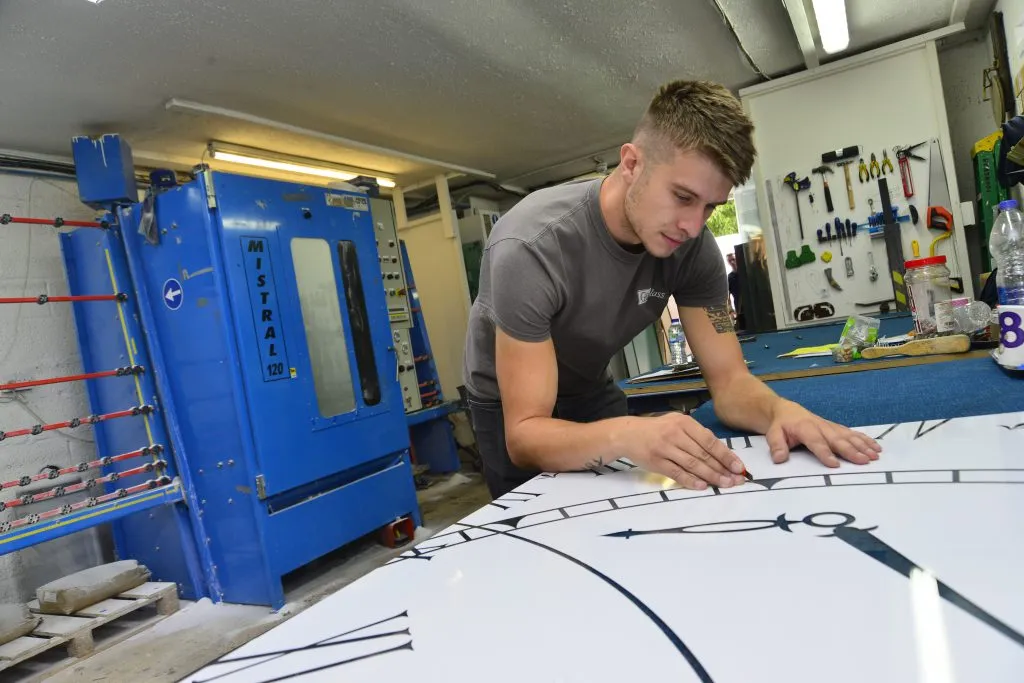
With over four decades of expertise, Go Glass combines innovation, craftsmanship, and a deep understanding of architectural trends to deliver bespoke glass solutions across residential, commercial, and hospitality sectors. Whether you need textured glass like Pilkington Warwick for sliding doors, minimalist frameless showers, or custom-etched partitions, our in-house design and production teams work closely with you to bring your vision to life. As a trusted UK manufacturer, we offer precision cutting, expert advice, and fast turnaround — making Go Glass the ideal partner for architects, designers, and contractors who demand quality, creativity, and reliability in every project. Call today on 01223 211041 or see the website goglass.co.uk


