Glass Counter Displays: Why Glass Type, UV Bonding and Lighting Make or Break Them
Posted on 16 October 2026 by Liam
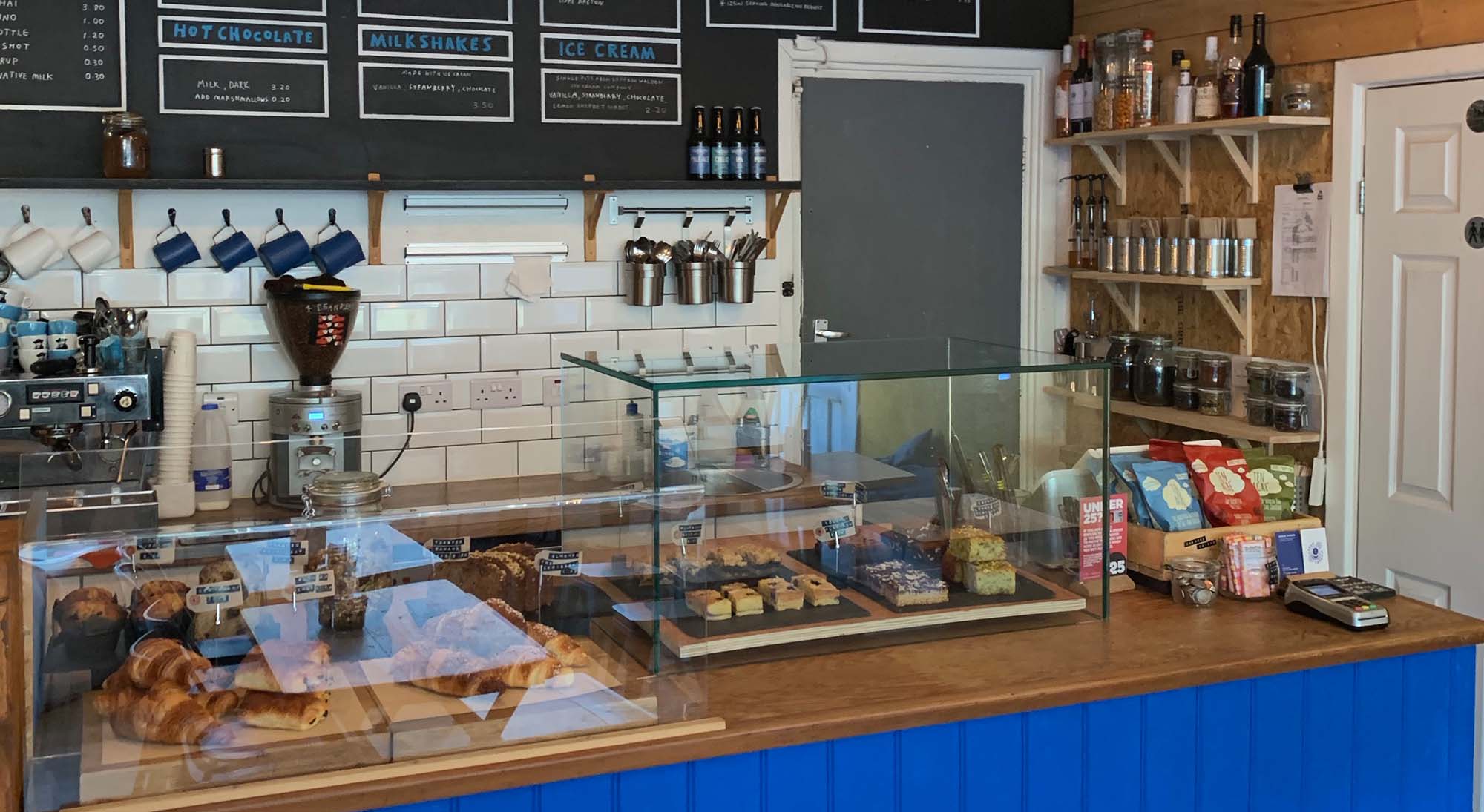
A premium glass counter display is decided by three technical choices: which glass you use, how the panels are joined, and how the cabinet is lit. These affect colour, clarity, strength and perceived value far more than the shape or size of the unit.
Why do glass type, bonding and lighting matter more than the cabinet shape?
Because the best-designed cabinet would still disappoint with silicone interrupting the sightlines or glare from badly positioned LEDs. As such, Precise UV-bonded joints are what we utilise to prevent these issues from occurring from the start.

Is low iron glass worth the extra cost for a display cabinet?
Yes, in most premium applications. Specify it whenever the edge is visible, the contents are valuable or colour-sensitive, or the display will be photographed. For jewellery, watches, spirits, pastries and premium retail, low iron keeps products closer to their true colour — the display simply looks cleaner, brighter and more expensive.

What is the difference between float glass and low iron glass?
Float glass contains iron oxide, which produces the familiar green tint along edges and through thicker panels — a subtle grey-green veil over your product. Low iron glass (also called optiwhite) has dramatically reduced iron content, so its edges appear colourless. Typical light transmission is approximately 89% for standard clear glass and 91–92% for low iron.
Low iron is not automatically stronger, safer or laminated; those are separate specifications. We manufacture float toughened glass for premium bespoke glass display cabinets, with thickness and construction confirmed around each cabinet’s use.

What is UV bonding and why does it outperform silicone?
UV bonding is a factory-controlled structural adhesive process. A clear UV-curing adhesive is applied to precisely prepared glass edges, the panels are aligned, and the joint is cured under ultraviolet light. The result is a transparent glass-to-glass joint with no frames, brackets or visible fixings — your eye goes straight to the product.
Whilst you could use conventional silicone seals, it would not provide the same structural performance and would not hold a display case together on its own.

Why does precision matter so much during UV bonding?
Glass must be cut, polished and aligned with exceptional accuracy before the adhesive is applied; even a fraction of a millimetre out makes the joint line visible. That is why UV bonding is a manufacturing discipline, not simply a type of glue.
Our cabinets are made from UK toughened safety glass to BS EN 12150-1 and conform to BS EN 12500 1(C)1. For a straightforward counter cabinet, 8mm toughened glass is commonly suitable; larger spans and commercial installations may require 10mm. Our premium specification is a 10mm UV Bonded glass display case, made to measure in our production centre. The final thickness should always be confirmed by the manufacturer against span, loading and use.

How should you specify a glass display cabinet?
Including frameless glass cabinets, doors, shelving and wine storage — our design team can work from a drawing, sketch, photograph or initial measurements, and every cabinet is designed around your counter and products.

Which lighting is best for a glass counter display?
There is no single best display light — the right choice depends on the product, cabinet depth and desired atmosphere. Whatever the format, specify the lighting, wiring and driver location before the cabinet is manufactured.

How does internal layout change the way a display reads?
Shelving, spacing and access decide how products are seen. Adjustable toughened glass shelves let you reconfigure the cabinet for new stock or seasonal displays, while fixed shelves suit stable collections. Shelf spacing should be set around the tallest item on each level, with heavier pieces on the lower shelves to keep loads sensible.
Access matters just as much: hinged doors suit front-of-counter restocking, sliding doors save floor space in tight corners, and fully open cases suit bars where bottles are handled throughout service.

Where are glass counter displays used in practice?
Glass counter displays work across retail, hospitality, residential and exhibition settings because the specification changes around the product.
- Retail: jewellery and watches benefit from low iron glass, controlled reflections.
- Food and hospitality: hygienic, accessible displays with even lighting and practical cleaning access.
- Bars and spirits: UV-bonded cases with open access and etched branding give bottles depth and atmosphere.
- UV-bonded glass doors, integrated LEDs and custom shelving make a collection visible without enclosing the room.
- Exhibitions and museums: product protection, colour neutrality, loading and glare control specified together.
- Residential interiors: bespoke collectible displays for collectibles, bottles and watches, plus bespoke glass furniture and display units for shelving and cabinetry projects.

How do care and maintenance keep a glass display looking new?
Caring for a glass display cabinet is straightforward. Clean the glass with a soft, non-abrasive cloth and a mild glass cleaner — avoid ammonia-based products and abrasive pads, which dull polished edges and coatings. Dry edges and joints after cleaning, check hinges and locks periodically.


At Go Glass, we’ve spent decades creating glass solutions that are practical, beautifully crafted, and built to last. Whether you’re designing a retail space or a bespoke display, our team is here to help bring your ideas to life.
Get in touch:
- Email Us
- Call Us
- Book a 15-minute virtual coffee with our design team.
We’re proud winners of Family Business of the Year 2024, and shortlisted for Unsung Hero at the G25 Industry awards
Float glass contains iron oxide, which gives edges a green tint and adds a slight grey-green cast. Low iron glass has substantially reduced iron content, so it appears clearer and keeps product colours true.
Yes, particularly where an edge or shelf stack is visible — most noticeable with white products, jewellery, silver and pale food.
Yes, when correctly designed, manufactured and loaded. Our cabinets use UK toughened safety glass to BS EN 12150-1 and conform to BS EN 12500 1(C)1.
Standard cabinets can use 8mm glass, whereas larger spans and commercial cases may require 10mm.
Our UV-bonded glass display cabinets typically take around two weeks, subject to design approval and specification. We confirm the lead time as part of the quotation.